Massachusetts has more than $900 million in opioid settlement funds allocated to the state, with 40% going directly to municipalities, and a meaningful share of it is still unused. For district and town leaders trying to fund student mental health support, the money is often already there. What's missing is a clear picture of how to access it, and who to build that process with.
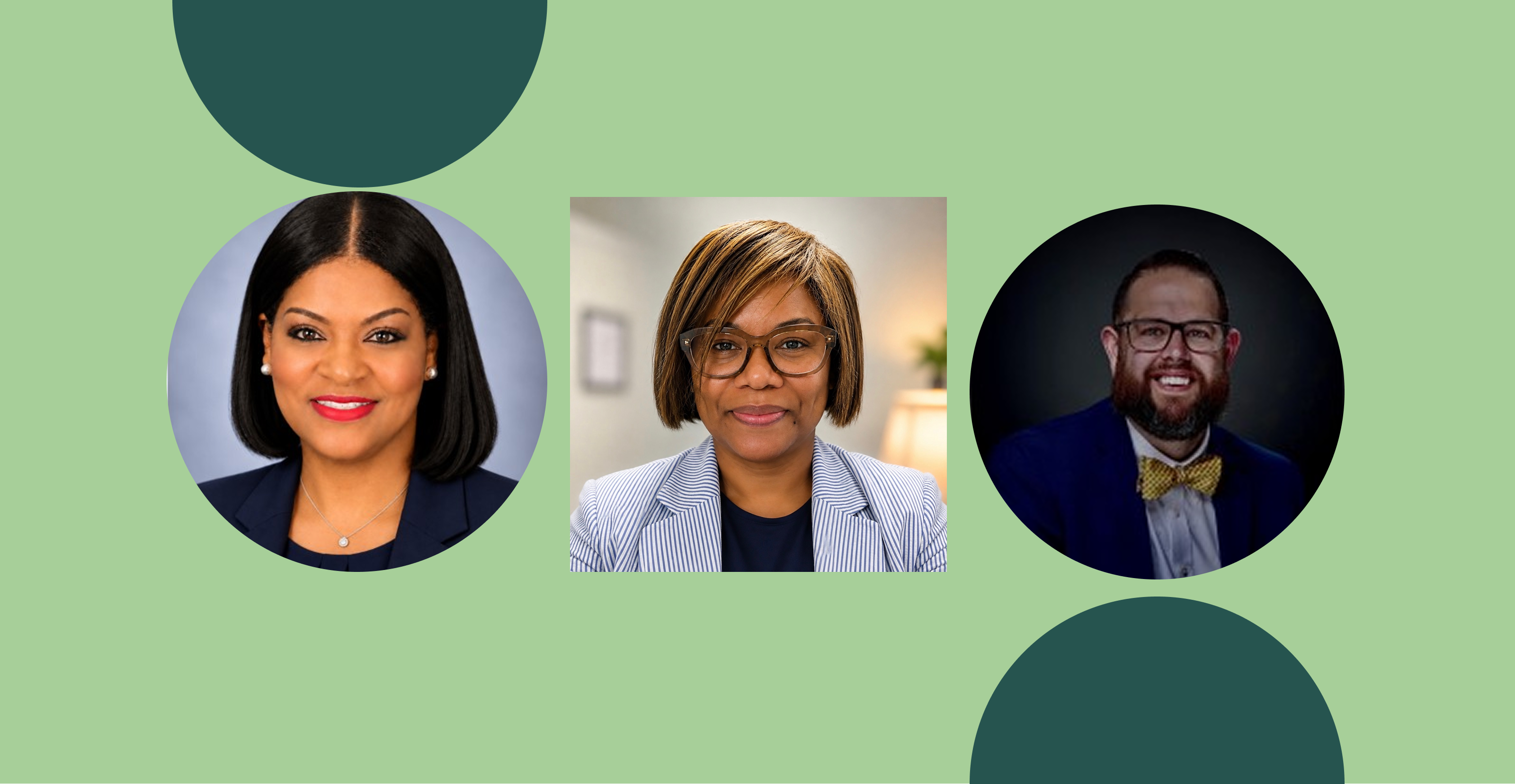
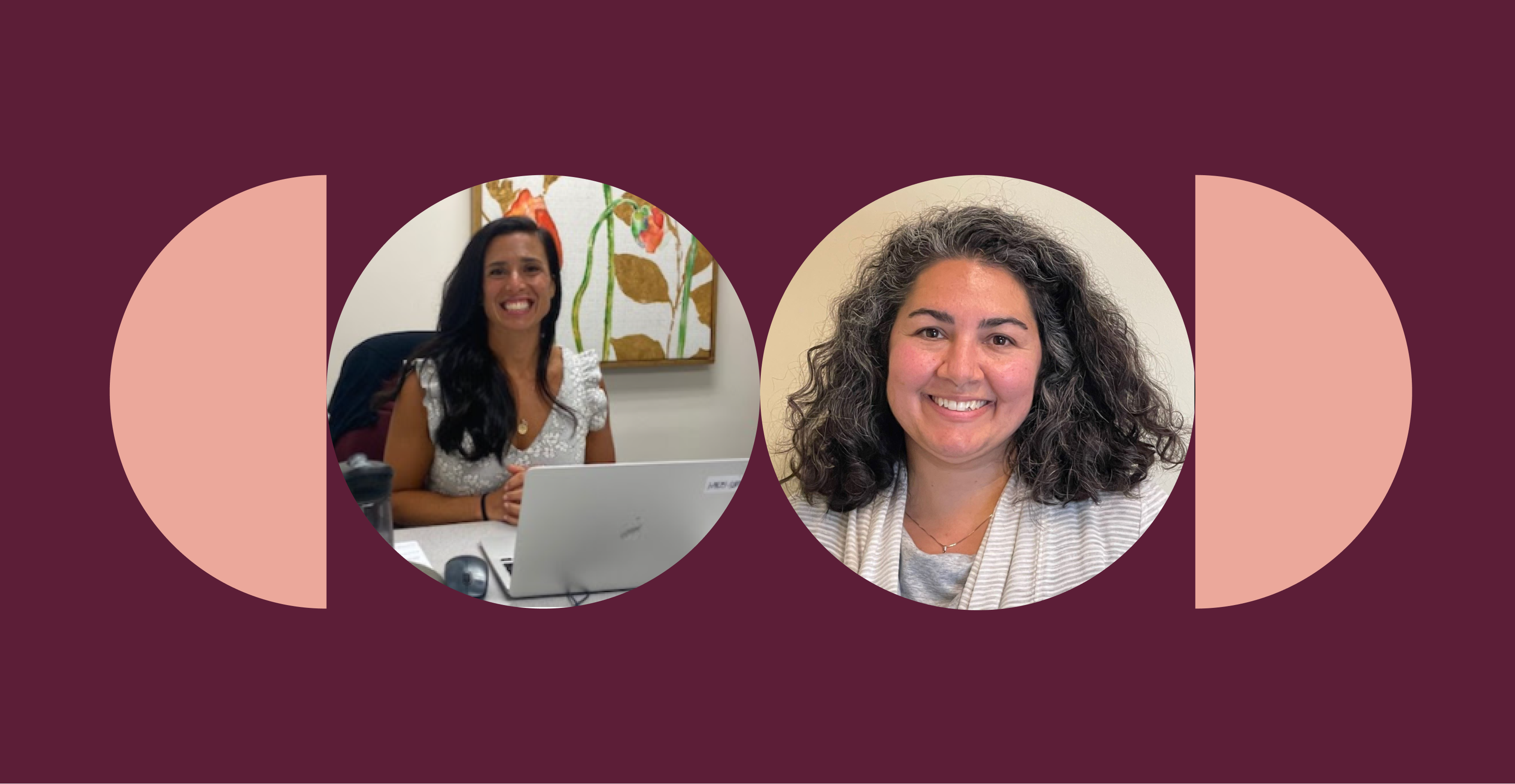
Westford Academy and the Town of Westford's Community Wellness office offer a real, working example. Lauren Clark, Director of School Counseling at Westford Academy, and Nicole Laviolette, Community Wellness Coordinator for the Town of Westford, joined Stacy Swasey, LICSW, Program Manager at Cartwheel, and Alvin Padolina, Account Executive at Cartwheel, for a recent webinar on how their town and district partnered to put opioid settlement funding to work for students.
Why Westford Academy Needed a New Approach to Student Mental Health
Westford Academy, a public high school of about 1,500 students, tracks student mental health through quarterly PHQ (depression) and GAD (anxiety) screeners administered during advisory. Students scoring in the clinical range are pulled into a one-on-one risk assessment with their counselor. In the 2025–2026 school year, the district's screeners flagged roughly 45 students in the clinical range on the PHQ alone, a clear signal of how much need is still out there even with rapid-access care in place.
The gap wasn't awareness. It was access. During the 2022–2023 school year, before Westford Academy partnered with Cartwheel, families referred to outside providers were facing waitlists of six months or more, even after a student had opened up and agreed to talk to someone. "We didn't really need another referral list," Clark said. "We needed an active partnership with an organization that had zero waitlist."
Westford Academy evaluated partners against four criteria: zero waitlist for rapid clinical care, insurance coverage, multilingual care, and after-school or weekend availability. Cartwheel provided what Westford Academy needed to support its students and families, and using the town's opioid settlement dollars meant funding mental health care as a proactive public health strategy, intercepting anxiety and depression before they turned into substance use.
How Westford's Town and School District Built a Funding Partnership
The connection between the school and the town happened almost by coincidence. A school adjustment counselor at Westford Academy had received an email from Laviolette about town grant opportunities, and separately, Westford's PE and Wellness Curriculum Coordinator was already serving on the town's Opioid Settlement Working Group. Both threads led back to Clark.
That working group was formed by the Town Manager's Office and originally included the town's police, fire, health, and Veterans' Services departments, along with the senior center. The town then invited school representation, and Clark joined in early 2023. She presented the Cartwheel partnership to the group that April, it was approved by the Select Board in June, and Westford had a signed contract by August: a roughly five-month timeline from first presentation to funded program.
On the town side, Laviolette's role sits under the Town Manager's Office and connects residents, schools, and town departments to mental health and substance use resources. She also participates in Prevention Partners of Northern Middlesex, a regional coalition tied to the state's MassCALL3 grant and facilitated by the Town of Tewksbury, alongside other town committees that include school representation. Her working group meets quarterly (it doesn't meet over the summer).
Not every town has a role like Laviolette's. Her advice for districts without one: connect with the Town Manager's or Mayor's Office, the local Board of Health, or the Town Clerk's Office. Any of them can usually point you to the right person. Clark's advice from the school side: build internal alignment before approaching town hall. She started with her building principal, the director of special education and SEL, and the superintendent, securing their support before bringing the proposal to the counseling team and, eventually, the town.
Five Myths About How to Access Opioid Settlement Funds
Laviolette spent time in Westford's own process untangling a few misconceptions that come up in nearly every town and district conversation about these funds. Here's the process, as told through what turned out to be true and false:
- Myth: These funds have to be spent within the fiscal year they're received, or you lose them. Reality: Massachusetts municipalities will continue receiving settlement funds through FY2038. Towns aren't on a use-it-or-lose-it clock, so a district and town can plan a multi-year rollout, starting with one school and adding others over time, rather than spending everything at once.
- Myth: Once you've funded one school, you can't use settlement funds for a different school in the same district. Reality: Different school entities can be funded at different times. Westford initially believed this was a supplanting issue, but confirmed through technical assistance that it wasn't, which is part of why the district's two middle schools are funded this year, with elementary schools under exploration.
- Myth: The dollar amount available isn't worth the effort of applying. Reality: It depends on the town, but it's often more meaningful than leaders expect. Westford receives roughly $34,000–$35,000 per year, based on population, not need; smaller towns may receive as little as $1,800 annually, and some towns under about 3,000 residents opted out of the settlement altogether. Towns can also pool resources regionally to access more. It may not fund an entire program on its own, but for Westford, it became a meaningful piece of a braided funding approach.
- Myth: There's a single state application process, and it's the same everywhere. Reality: There isn't one. Each town sets its own process, from Select Board approval on every request (Westford's original process) to town manager sign-off on every expenditure (some towns have denied requests this way). Massachusetts also issued its guidance on fund use later than many towns had already started spending, so a lot of municipalities still haven't touched their allocation at all. Districts reaching out now aren't behind; many towns are just getting started themselves.
- Myth: There's no support available, so districts have to figure this out alone. Reality: The Massachusetts Opioid Settlement Funds page shows what each municipality has received, and the Mosaic technical assistance program (contracted through the state Department of Public Health via the Attorney General's office, or reachable at muniTTA@rizema.org) can help confirm eligibility questions. Regional TA coordinators became available in mid-2026, adding to the state-level support that already existed. Towns are also required to gather input from residents with lived experience before deciding how to use funds, which Laviolette named as one of the more challenging steps in Westford's process, but a required part of getting to “yes”.
The Outcomes Westford Academy Has Seen Since Partnering with Cartwheel
Westford Academy is now in its fourth year with Cartwheel. The six-month-plus waitlist is gone; students flagged through quarterly screening now connect to clinical care within days. Over the past three years, the partnership has supported 160 approved referrals and more than 1,800 total therapy sessions, and more than 4 in 10 students who completed both a pre- and post-treatment screener moved into a lower anxiety or depression category.
Student hospitalizations have dropped 54% since the district's first year with Cartwheel, and use of the school's Bridge Room, a supportive space for students returning from extended absences funded by The Brookline Center’s bryt program, is down 42% over the same period. 95% of students report enjoying their sessions with their Cartwheel therapist, above the program's 90% benchmark. The partnership expanded to include the school avoidance program, which has already supported six approved referrals since launching in December 2025.
Westford Academy isn't the only Massachusetts district building outcomes like these. Salem Public Schools saw a 45% reduction in chronically absent students after partnering with Cartwheel, Medway Public Schools found that students receiving teletherapy were more likely to maintain or improve their GPA than their peers, and Lowell Public Schools saw a 61% drop in suspensions after launching its own Cartwheel partnership.
How to Start Accessing Opioid Settlement Funds in Your Community
For district and town leaders wondering where to begin, Westford's experience points to a few concrete steps:
- Check what your town has received. Look up your municipality on the state's opioid settlement funds dashboard to see how much funding is available, since allocations are based on population and vary widely from town to town.
- Understand your runway. Review the state's guidance on multi-year planning, since funds are available through FY2038 and support a phased rollout rather than a one-time spend.
- Find your town's point of contact. If your town has a Community Wellness Coordinator or town social worker, start there; if not, the Town Manager's or Mayor's Office, the Board of Health, or the Town Clerk's Office can usually point you to the right person.
- Build internal support before approaching town hall. Loop in your building principal, director of special education and SEL, and superintendent early, so your team can bring a unified request once you're ready to go external.
- Bring data, not a wish list. Come with concrete local numbers, screening trends from tools like the PHQ and GAD, chronic absenteeism rates, and local waitlist realities, and frame the request as a town-wide prevention strategy rather than a general ask for mental health support.
Districts across Massachusetts are already partnering with Cartwheel and their town governments to fund student mental health support. If your district and town are exploring how to do the same, we'd love to talk through what that could look like for your community.

.png)
.png)