

Big Behaviors, Big Feelings Program
Big Feelings Are Normal. Some Students Need More Support to Manage Them.
Cartwheel’s Big Behaviors, Big Feelings Program provides targeted support for students and families when strong emotions and reactions keep showing up and are hard to move through.
Talk with Our Team
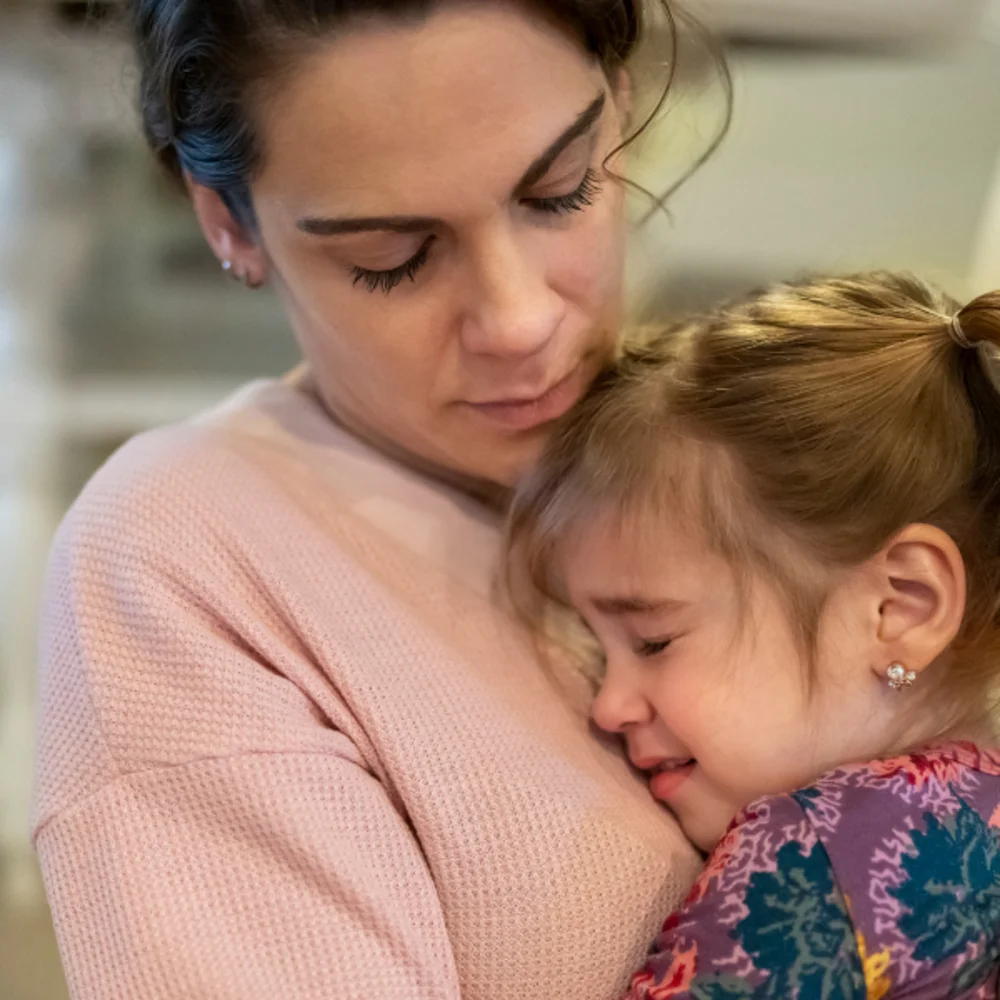
A Mental Health Solution That Helps Students Work Through Big Feelings

Targeted screening and assessment tools to better understand emotional and behavioral patterns

Optional caregiver groups focused on reducing escalation and responding effectively in the moment

Support focused on skills, relationships, and daily functioning

Ongoing collaboration with schools to ensure consistent strategies across settings.
Why Districts Are Asking About Big Behaviors, Big Feelings
Big emotions are a normal part of growing up. For some students, they keep showing up in ways that affect learning, friendships, and the classroom.
EdWeek Research Center, 2026
Centers for Disease Control and Prevention (CDC)
Institute of Education Sciences (IES), 2024
Explore resources on big feelings, behavior, and student wellbeing
Free webinars, guides, and on-demand video resources to support students, families and school staff.
Webinar: Connection, Co-Regulation, and Coping Skills: Helping Kids and Teens Navigate Big Feelings
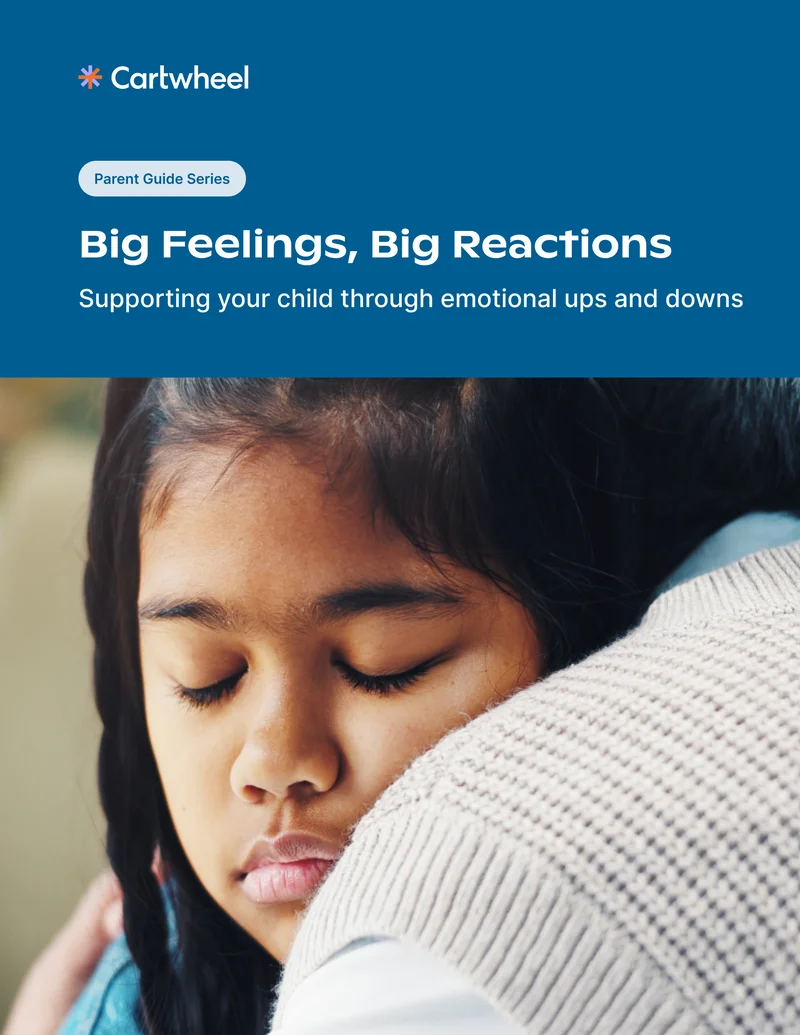
Parent guide: Big Feelings, Big Reactions
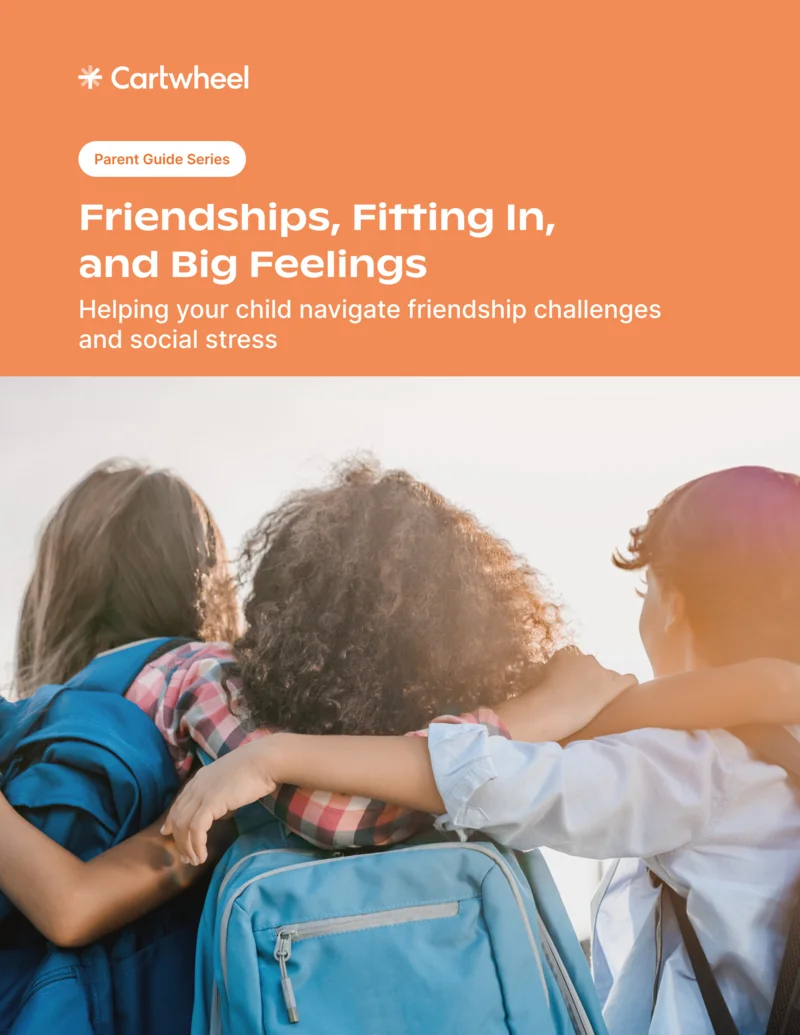
Parent guide: Friendships, Fitting In, and Big Feelings

Webinar Recap: Helping Kids Handle Big Feelings and Build Confidence

Upcoming Family Webinars
Why This Matters for Districts
Cartwheel’s Big Behaviors, Big Feelings Program provides targeted clinical care for students and families, combining evidence-based treatment, targeted screening, and caregiver support to address these challenges.
Where districts feel it:
Lost instructional time when classroom routines are interrupted
Strained relationships between students, peers, and staff

The toll on teachers, counselors, and administrators supporting students with repeated escalations

Family engagement and follow-through with school strategies
[Quote from Juliana Chen, MD, pending]


What the Program Includes

1:1 therapy with clinicians who build skills with students for handling frustration, calming down, and working through conflict

Targeted screening used at the start of care and throughout treatment to understand what may be driving the behavior and track progress over time. Screening informs care; it is not a diagnosis.

1:1 parent guidance sessions and family therapy, based on the student’s needs

Optional caregiver training: no-cost, self-paced virtual modules in English and Spanish on understanding big emotions and outbursts, responding in the moment, building calmer routines, and reducing disruptions that affect learning and friendships.

Psychiatric evaluations and medication management when appropriate

Ongoing school collaboration for consistent strategies across settings

Telehealth from home
(8am-8pm + weekends), no transportation barriers
Students and Families We Can Support

- Strong emotional reactions or outbursts that are hard to move through
- Difficulty calming down or handling frustration
- Escalating conflicts with peers, caregivers, or school staff
- Big feelings that are getting in the way of learning, relationships, or daily life

- Support responding to big emotions and reactions at home
- Practical strategies for responding when emotions run high and building calmer routines
- Guidance on supporting their child’s emotional well-being and relationships with peers and family
Available across all grade levels. For younger students, care emphasizes parent guidance and caregiver involvement.
Care That Fits Families’ Needs


Explore Our Other Care Programs


Frequently Asked Questions

How is Cartwheel’s Big Behaviors, Big Feelings Program different from the support schools already provide?
How quickly can students begin receiving support?
What kinds of big feelings and behavior challenges can Cartwheel help with?
Does telehealth work well for students with big feelings and big behaviors?
How do you measure whether the program is working?
What if a student may need medication?
What is expected of families?
How much coordination is required from school staff?
How can school counselors identify students who might benefit from this program?
How does the program work with IEP or 504 supports?
What does the district pay for, and what costs are covered by insurance?
What ages does the program serve?
Is this a discipline program?
Does a screening result mean a student has a diagnosis?
What if a student could fit more than one Care Program?
