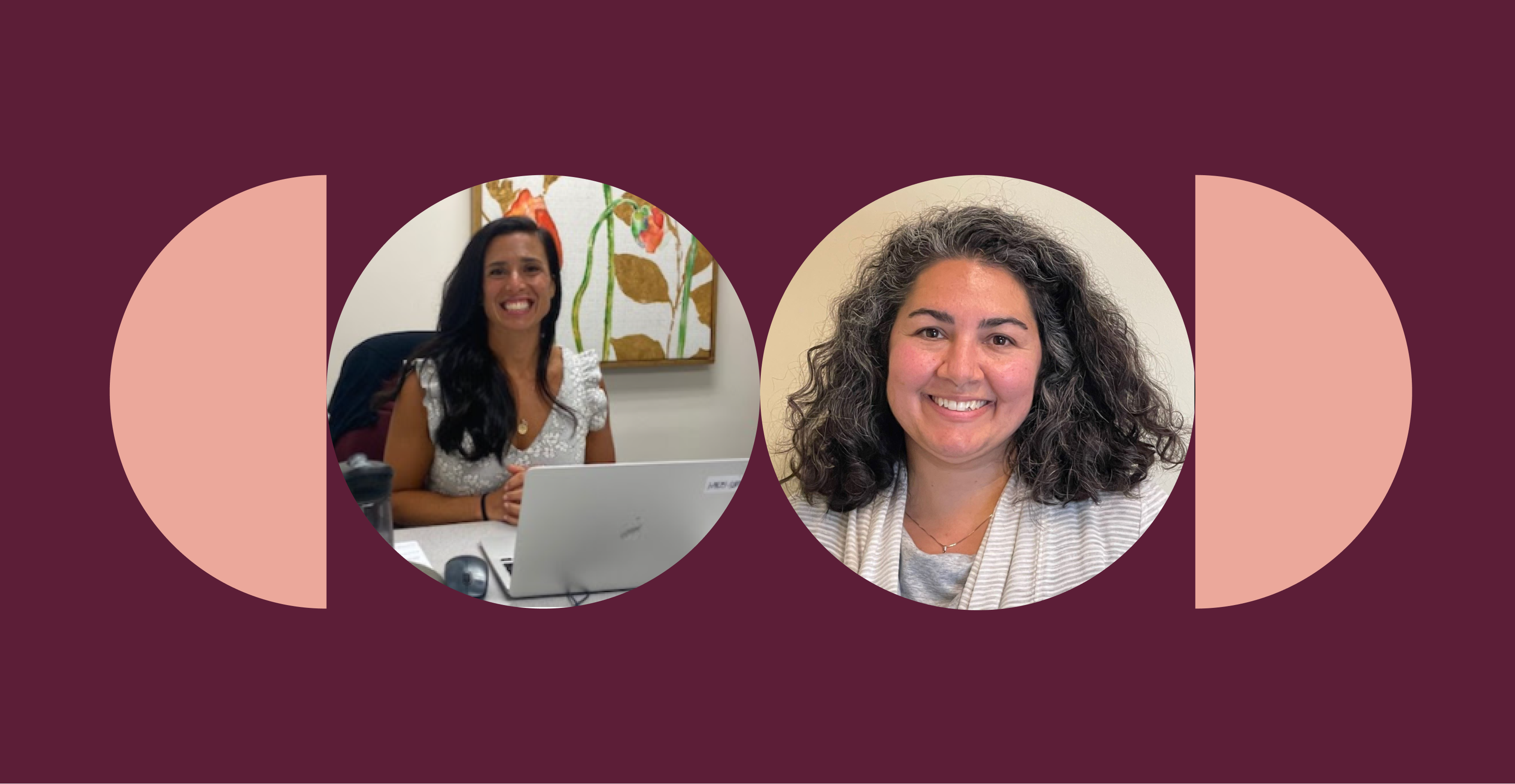
At a recent conversation hosted by Cartwheel, three Massachusetts school district leaders sat down to talk candidly about what mental health support actually looks like: Mike Balaschi, Assistant Director and Social Worker (LICSW) at Map Academy; Dr. Marianne Vines, Assistant Superintendent of Student Services at Bedford Public Schools; and Dr. Brenda Ortiz McGrath, Director of Social Work, SEL, and Specialized Student Supports at Chelsea Public Schools, and an elected At-Large member of the Lynn School Committee.
These districts don't look alike. Map Academy is a charter high school serving a small, high-need population through a flexible, competency-based model. Bedford is a suburban community that supports military-connected families and students in the METCO program. Chelsea serves a densely populated, majority-Latino community with multilingual needs. Despite their differences, all three leaders described the same ingredients for building effective mental health support in schools.
Every District's “High-Need” Looks Different
Access to care isn't one-size-fits-all, because "who needs support" doesn't look the same from district to district.
At Map Academy, that means serving students who've often struggled in traditional school settings: some working full-time, some raising children of their own, some who've cycled through out-of-district placements. Balaschi described a model built around flexibility: students can be in the building for two hours or ten, three days a week or five, with the goal of keeping them connected to school long enough to invest in themselves.
In Bedford, the high-need population looks different. Due to the proximity to an Air Force base, Vines talked about military-connected families who arrive and depart on short notice, often mid-year, and students in the METCO program commuting to Bedford from Boston, sometimes leaving home before 5:30 a.m. Both groups carry stress that isn't always visible.
In Chelsea, Ortiz McGrath described a community that is majority-Latino, with a significant share of families affected by immigration status and economic pressure. Meeting that community has meant building a bilingual, bicultural staff and going above and beyond to make support genuinely accessible.
What these three districts share is a belief that meeting students where they are matters more than fitting them into a standard model.
Trust and Timing Are Real Barriers
Whether a mental health referral turns into active care often comes down to what happens in the days right after it's made.
Balaschi described what Map Academy dealt with before partnering with Cartwheel. Students had to arrange their own transportation to appointments, and insurance coverage could lapse if a student missed even a few sessions. For students who were already skeptical that therapy would help, a missed connection at the start could easily confirm that skepticism — the gap between referral and first session was often where trust was won or lost.
He connected this directly to timing: in his experience, getting a student into a first session within a week, rather than facing a waitlist stretching into months, could be the difference between a referral that advanced and one that quietly disappeared. By the time a months-long waitlist clears, the original concern can feel like it's already passed — even when it hasn't.
Ortiz McGrath framed the same challenge differently: in a community where mental health carries real stigma, timing isn't the only barrier — visibility is. She described Chelsea's approach as consistently proactive rather than reactive, building familiarity with mental health support long before any individual family needs it. That includes an annual mental health event drawing close to a thousand families, where Cartwheel has a table and a presence, and an ongoing parent university series aimed at helping families understand what mental health support actually looks like and why it matters. Chelsea also staffs a family liaison in each of its 11 schools, giving families a consistent, familiar person to talk to about what they and their students need, separate from any single referral moment.
Underlying all of it is a philosophy Ortiz McGrath described as knowing students by Name, Strength, and Story — a reminder that behind every referral is a specific student with a specific context. Reducing stigma, in her view, comes down to consistent education and consistent presence, not a single conversation at the moment of referral. The goal is for families to already have a sense of what support looks like — and who to turn to — well before a referral is ever needed.
Showing Up When Districts Need Support Most
Some of the most meaningful partnership moments happen when districts are navigating unexpected challenges.
Vines described a period when her district experienced the loss of a student. The loss affected the entire school community, adults and students alike, and in the immediate aftermath, she reached out to her Cartwheel success manager directly without knowing exactly what she needed yet. What she found was a responsive partner who helped connect the district with appropriate resources and support for staff as they navigated the aftermath.
For a limited period, Bedford also drew on Cartwheel's staff therapy support in the aftermath, giving educators a space to talk with someone outside their usual circle of colleagues about what they were feeling. Vines was candid that this kind of support isn't something a district can build entirely on its own, particularly in the immediate aftermath of a traumatic event. Having an established partner already in place, rather than searching for resources after the fact, helped the district respond more quickly.
Meeting Families Where They Are
Bedford was an early adopter of Cartwheel's family interest form, a way for families to request care directly for their child. Before enabling this, Vines weighed whether it might draw more requests than the district could support. She decided the bigger risk was the opposite: a family needing help and not getting it because of one more step in the way. The district turned it on, and demand stayed manageable — the families who used it were the ones who needed it.
In Chelsea, meeting families has meant building a staff that reflects the community it serves. Ortiz McGrath described intentionally hiring bilingual and bicultural staff. Families often respond differently to a clinician who understands the cultural context behind what they're navigating, whether that's economic pressure, working multiple jobs, or broader immigration-related stress that shapes day-to-day life.
What Strong Partnership Looks like Day-to-Day
A referral network is only as useful as the visibility districts have into how it's working, and the relationship they can count on when something doesn't fit a standard case.
Ortiz McGrath described a monthly clinical consultancy meeting where her entire district team reviews referral data together: who's been referred, who's still waiting, who hasn't engaged. That's made possible by dashboard access into Cartwheel's platform, giving her real-time visibility into referral patterns instead of waiting on a quarterly report. For a district managing limited seats and stretched staff, that visibility gives her team something concrete to act on for capacity planning, rather than working from incomplete information. A social worker might flag a case in that meeting, and a colleague in the room can point to a resource or a next step in real time, informed by data everyone in the room can see.
Just as important to both Ortiz McGrath and Vines was having a consistent, named point of contact with their mental health partner. They described going back to the same person repeatedly, someone who already understood their community's story and didn't need to be re-briefed every time a new need came up. That consistency shaped how much they trusted the partnership day-to-day: knowing exactly who to call, and knowing that person already had the context, removed a step districts often have to manage themselves.
What Balaschi, Vines, and Ortiz McGrath described wasn't a single feature or program — it was a relationship that held up in different moments: quick when a referral came in, present during a crisis, easy to reach through someone who already knew their district, and transparent enough that teams could understand how referrals were progressing.
Across three different districts, one message came through consistently: strong mental health partnerships are built on responsiveness, trust, and a deep understanding of each district's community. If you'd like to talk with our team about what that could look like for your district, we'd love to connect.