Across the country, schools are facing two urgent challenges: rising chronic absenteeism and rising student mental health needs. Many leaders try to solve these issues with more events, more reminders, and more compliance. But the truth is simpler: students come to school more often when their families feel seen, valued, and connected.
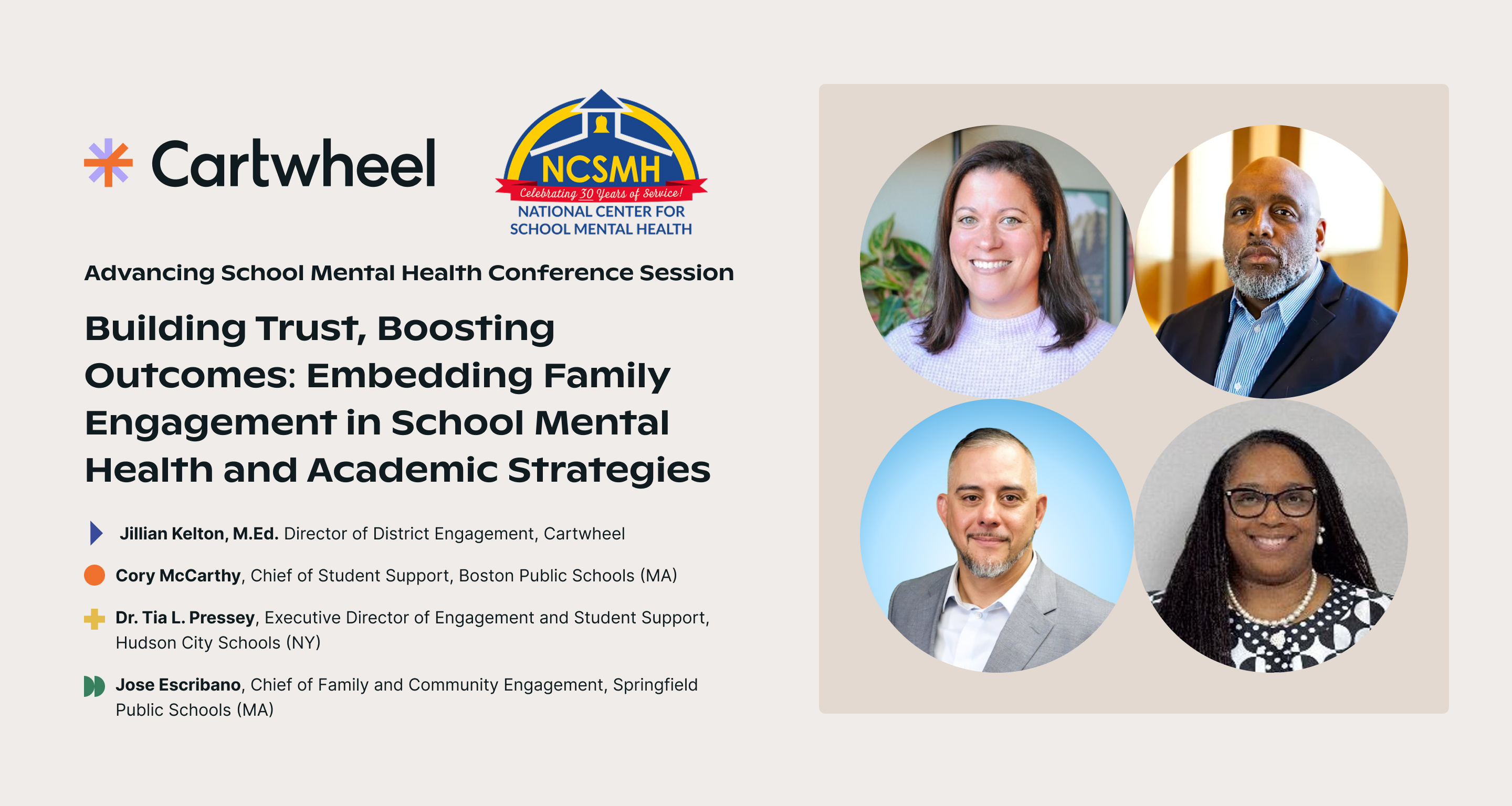
During our Advancing Student Mental Health Conference session, three district leaders shared real stories of transformation. Cory McCarthy, Chief of Student Support at Boston Public Schools (MA), Dr. Tia L. Pressey, Former Executive Director of Engagement and Student Support at Hudson City Schools (NY), and Jose Escribano, Assistant Superintendent at Springfield Public Schools (MA), explained how their districts moved beyond one-off family engagement initiatives. By focusing on building strong, sustained relationships with families, they saw meaningful improvements in both attendance and mental health outcomes.
This article provides their insights into clear, simple steps school counselors, social workers, staff, and district leaders can use when engaging with families and students.
Why family engagement matters to tackle chronic absenteeism?
Family engagement matters because children show up more when their families feel supported, informed, and included. When trust grows between families and schools, daily attendance and access to mental health care improve.
Families help shape how students feel about school. When families feel connected, students feel connected. When families trust the school, students trust the school. And when families feel judged, unheard, or confused, attendance drops.

How family engagement supports student mental health
Family engagement supports mental health by building trust, reducing stigma, and making it easier for students and caregivers to ask for help. When families feel safe, they say “yes” to mental health services sooner.
Many students need help but never receive it. Why? Because families may feel shame, fear, confusion, or past trauma.
When school teams build trusting relationships, families are willing to engage much sooner which leads to earlier intervention and stronger outcomes.

Overcoming barriers to family engagement
Family engagement barriers often come from systemic issues within healthcare and education that were not built to support the diverse needs of all families, including those facing economic hardship or language differences. Schools can address these systemic barriers by being curious, flexible, and proactive rather than reactive.

What family engagement looks like in practice
Family engagement looks like connection, consistency, and partnership. It looks like shifting from ‘getting families to show up’ to ‘showing up for families.’
During our panel, leaders described what this shift looks like in their school districts.
1. The Power of Belonging: How One Student Found His Way Back
Shared by Dr. Tia L. Pressey, Former Executive Director of Engagement and Student Support at Hudson City Schools (NY)
A tenth grader had dropped out of school and spent most days in his neighborhood. Dr. Pressey’s team went out to meet him—not to scold him, but to invite him back. They asked him to join a community circle, a space where students check in, feel seen, and start their day together.
He agreed to come “just for one day.”When he arrived, something powerful happened.
His peers cheered. Teachers welcomed him. Leaders from the school stood with him. He saw that people were happy he was there. He felt that he mattered.
He came back the next day.
And then the next.
Soon, he returned to school full-time.
While he was coming back, the school stayed close to his family. They met with his mother before and after each visit. She shared that she feared losing him “to the streets”. The team listened, encouraged her, and reminded her she was not alone.
As trust grew, the mental health team recommended teletherapy with Cartwheel so he could get additional support right away. He started virtual therapy and the support helped him settle back into school. His attendance rose. His confidence grew. His mother shifted from fear to relief: “Thank God. I didn’t know what to do. You helped my son come back.”
This story could have ended in tragedy. Instead, it showed what happens when a whole community shows up for one student.
Students return to school when they feel like they belong. Families engage when they feel supported. And access to high-quality mental health care—like Cartwheel—helps make the return to school easier.
2. 96 Sundays: How Consistency Builds Trust
Shared by Cory McCarthy, Chief of Student Support at Boston Public Schools (MA)
Cory and his team noticed teens gathering in a Boston plaza every Sunday. They weren’t causing trouble, they simply had nowhere else to go. With no youth centers or school gyms open on Sundays, this unstructured time became a risk.
So the district opened a school gym and launched Miracle 617. At first it was simple: open play, basketball, volleyball. Then it grew—homework help, tutoring, yoga for parents, college and career support, and free food.
Over 18 months, the team hosted 96 Sundays. Students kept coming back. Parents did too. A community formed—one built on trust, warmth, and safety. And in that trust, families started sharing mental health concerns they’d never voiced before.
Cory followed up every week with simple emails and real conversations. When a student or caregiver needed counseling, he could refer directly to Cartwheel, helping families access care quickly and easily.
This Sunday space became more than a gym—it became a bridge. A bridge to trust. A bridge to mental health care. A bridge to better school connection and better attendance.
When you open your doors—literally and emotionally—families walk through them. Small, steady acts of care build trust. And trust builds the pathway to mental health support, stronger relationships, and better attendance.
3. 6,000 Conversations: What Happens When Schools Stop and Listen
Shared by Assistant Superintendent at Springfield Public Schools (MA)
When Jose looked at attendance across Springfield, he saw something missing: real conversations with families. Schools were sending automated calls but no one knew why students were absent. So he made a shift. Instead of using a punitive approach, he asked teams to meet with families one-on-one and listen.
To make this possible, he worked with IT to update the system so schools could log meaningful meetings, not just phone records. Not every school joined at first, but even then, Springfield held over 6,000 family meetings in a single year. These talks helped staff understand the barriers families faced so they could build plans that actually worked.
The change in attendance was immediate. Schools that had 40–50% chronic absenteeism dropped closer to 25%. Dashboards filled with more green and yellow. Families said they finally felt heard. Staff said they finally understood what was preventing kids from coming to school.
Meaningful family meetings change outcomes because they build trust. When families feel supported instead of judged, they share what is really going on and work with the school to solve it. Tracking these conversations shows that relationships matter. When schools make time to listen, attendance rises, barriers become clearer, and families feel like true partners in their child’s success.
Download Session Takeaways
These guides include actionable steps you can use right away. Choose the takeaways designed for your role:
Connect With the Education Leaders
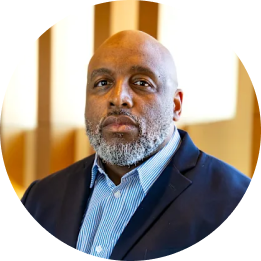
Cory McCarthy
Chief of Student Support, Boston Public Schools (MA)
Connect on LinkedIn
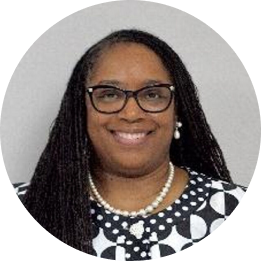
Dr. Tia L. Pressey
Former Executive Director of Engagement and Student Support, Hudson City Schools (NY)
Connect on LinkedIn

Jose Escribano
Assistant Superintendent, Springfield Public Schools (MA)
Connect on LinkedIn

Jillian Kelton, M.Ed.
Director of District Engagement, Cartwheel
Connect on LinkedIn
To learn more about how Cartwheel's specialized school avoidance program can help your district address and prevent chronic absenteeism, contact our team.