OCD is one of those conditions that almost everyone has heard of, but very few people actually understand. Most of us picture hand-washing or neatness. What we do not picture is a child who cannot leave the kitchen because of a thought they cannot shake, or a teenager who spends hours every night re-reading the same paragraph, or a kid who keeps checking whether they accidentally hurt someone, even when they know they did not.
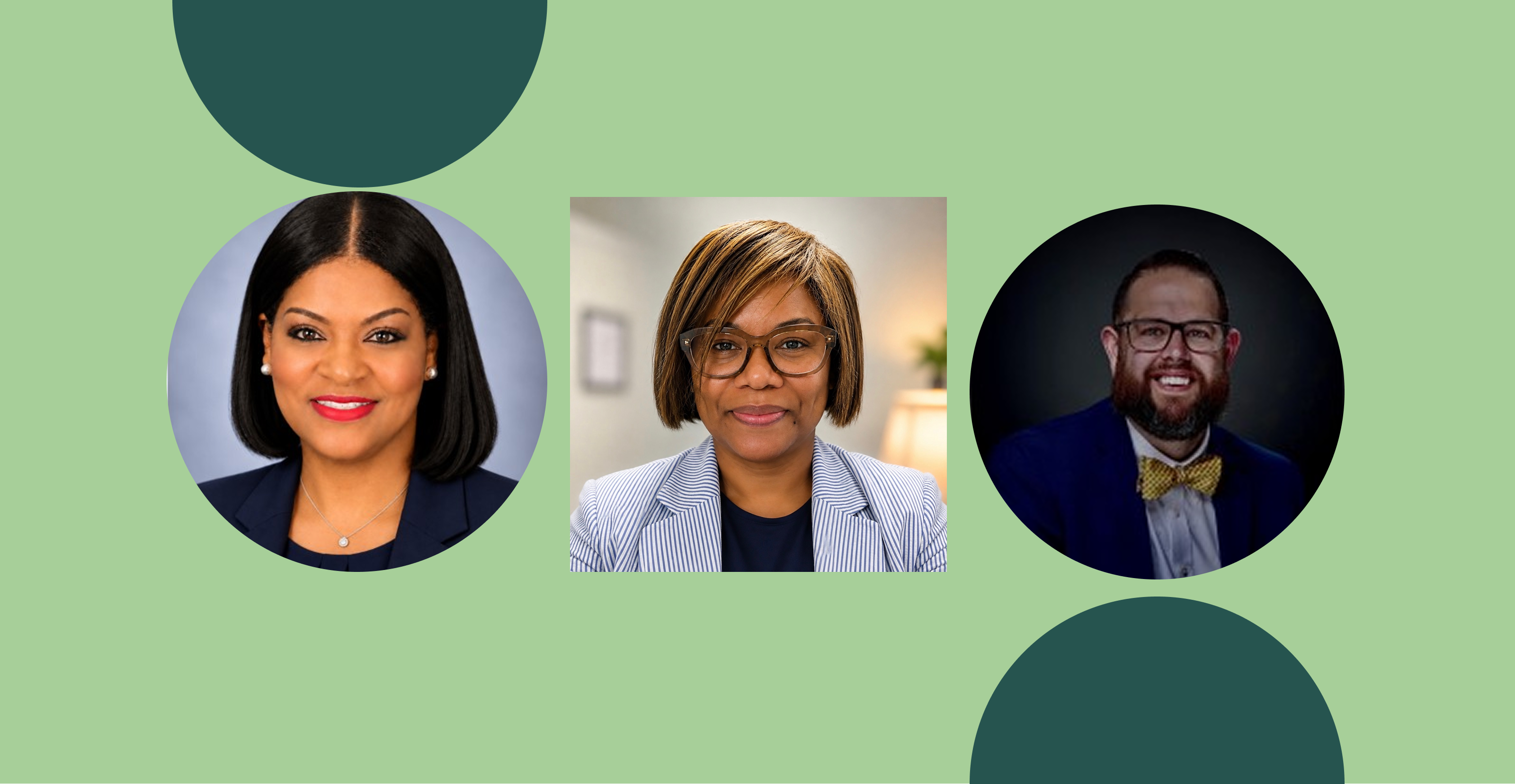
That gap between what OCD looks like on television and what it actually looks like in a child is exactly what Dr. Erica Greenberg, a child and adolescent psychiatrist at Massachusetts General Hospital and director of their Pediatric OCD Program, came to Cartwheel's family webinar to close. She brought clinical expertise, accessible language, and something families do not always get enough of: a clear explanation of what is actually going on, and what to do about it.
What OCD actually is
OCD is defined by two things: obsessions and compulsions.
Obsessions are unwanted, repetitive thoughts that cause real distress. The key word is “unwanted”. A child who loves Legos and thinks about them constantly does not have OCD. A child who keeps having a thought they desperately do not want, that will not go away no matter how hard they try, might.
Compulsions are the behaviors someone feels they must do in response to those thoughts. The connection does not have to make logical sense. Dr. Greenberg shared an example she heard that same morning: if I do not tap this four times, my brother will get kidnapped. The child knows the two things are not connected. But the fear is real, and the tapping brings temporary relief
That insight, knowing the thought does not quite make sense but feeling powerless to stop it, is one of the hallmarks of OCD. You will often hear kids say some version of I know it is probably not true, but what if? That “but what if?” is worth paying attention to.
To meet the clinical threshold for OCD, symptoms need to take at least an hour a day or cause enough disruption that daily life is affected. About 40% of kids will have at least one OCD-type symptom at some point. Only about 3% meet the full criteria for the disorder. The difference is in how much it gets in the way.
What it can look like in kids
OCD shows up in several different ways, and some of them are not what most parents would expect.
- Contamination. Does not have to be about germs. A child might roll in mud without a second thought but refuse to touch a water bottle their sibling used. Contamination in OCD can also be moral: a child who avoids a classmate because they are afraid of catching something bad.
- Symmetry and just right. A need for things to feel even or balanced. Touching one side means touching the other. Re-reading, re-writing, re-counting. Not out of fear, but because the feeling of wrongness is unbearable until it feels right.
- Forbidden thoughts. Intrusive thoughts involving harm, sexuality, or religion that the child does not want and is frightened by. Kids are unlikely to bring these up on their own, but they can be consuming significant mental energy throughout the day.
- Doubt and checking. Did I hurt someone? Did I do something wrong? Are you sure? OCD has sometimes been called the doubting disease. Kids get stuck needing a level of certainty that is essentially impossible to reach, which leads to repeated checking and a lot of reassurance-seeking.
- Avoidance. You will not see obsessions or compulsions. You will just see a child who stops going in the kitchen or avoids anything that might trigger the thought. Avoidance gives quick relief but keeps symptoms going over time.
OCD is not the same as anxiety
One of the most important things Dr. Greenberg shared tends to surprise a lot of families: OCD is not an anxiety disorder. The two often appear together, but they are different conditions. Some kids with OCD are not particularly anxious at all. Their compulsions are driven by a feeling of incompleteness or an unbearable sense that something is just not right, not by fear of a specific outcome. Treatment that works for anxiety does not always work the same way for OCD, which is part of why finding someone with real OCD experience matters.
The sticky brain
Dr. Greenberg introduced a term that resonated with a lot of parents: sticky brain. Kids with OCD have brains that learn quickly and hold tight. That can be a strength. It also means that when a fear or a pattern gets in, it is hard to shake.
A few traits that often go along with OCD: an intolerance of uncertainty, where a child cannot move on until they are completely sure, and sure is very hard to reach. Thought-action fusion, where having a bad thought feels equivalent to doing it. And emotional intensity, zero to one hundred fast, across any emotion, not just anger. Dr. Greenberg described it as missing a dimmer switch. It is not a behavior problem. It is the same circuitry that drives the OCD.
Related conditions
OCD often does not travel alone. More than half of kids with OCD have at least one co-occurring condition. The most common include anxiety disorders, ADHD, tic disorders, and body-focused repetitive behaviors like hair pulling or skin picking. Dr. Greenberg also briefly covered body dysmorphic disorder, a preoccupation with a perceived physical flaw that she watches especially closely because it tends to come with higher rates of depression and suicidal thinking.
What treatment looks like
The good news is that OCD responds well to treatment. The therapy that works best is called ERP, or exposure and response prevention. A child gradually faces the things that trigger their obsessions, and practices not doing the compulsion. Over time the brain learns that the feared outcome does not happen and the distress lessens. For kids whose OCD is more about that just right feeling than about fear, ERP still works. It focuses more on tolerating the discomfort than on proving a fear wrong.
When symptoms are more severe, or therapy alone is not moving things forward, medication is an option. SSRIs are the most well-studied and effective choice for OCD, and most kids start to see some benefit within the first two to four weeks. Dr. Greenberg's overall guidance: start with therapy for mild to moderate symptoms, start both together for moderate to severe. And treat earlier rather than later. Earlier treatment is associated with better long-term outcomes.
When to seek help and where to start
- Start with the International OCD Foundation. It has resources for both parents and kids, and a provider directory to help you find someone who actually specializes in OCD.
- Bring your concerns to your child's pediatrician as a first step. If you feel like you are not being heard, it is worth going further.
- When looking for an evaluator or therapist, what matters most is that they have real OCD experience, not just that it appears on their list of conditions they treat.
Helpful Resources
Several free resources were shared during the webinar that families can access right now:
- International OCD Foundation — The most comprehensive resource for families. Includes symptom information, a provider directory, and resources specifically for kids and teens.
- CY-BOCS symptom checklist — A tool clinicians use to assess and track OCD symptoms in kids. Downloading it ahead of an appointment can help you describe what you are seeing more precisely and make the most of your time with a provider.
Continuing the conversation
If something from this session felt close to home, you do not need to wait for a crisis to reach out. Cartwheel's clinicians work with both students and families and can help you figure out whether what you are seeing fits a pattern, and what a next step might look like.
Learn more and request support at cartwheel.org/families
We offer free family webinars throughout the year on topics that matter to parents and caregivers. Coming up next in June: Supporting Boys: Mental Health Strategies for Young Men with Chris Smith.
See what's coming up and register at cartwheel.org/webinarseries